
microgaming casino — bästa bonussystemen från spelleverantörer
microgaming casino behandlas här med ett öga för detaljer och framtida trender. I en tid där marknaden mättas blir microgaming casino snabba uttag en differentierande faktor som spelare värdesätter.
roulette casino 2026 — vinn roulette strategier
See also:
- Bonusvillkor och omsättningskrav hos microgaming casino
- Regler och villkor för microgaming casino free spins – det du behöver veta
- RTP: Återbetalningsprocent för populära slots
- Vad är microgaming casino snabba uttag och hur fungerar de?
- Bilder och spelupplevelse hos microgaming casino
- Vanliga frågor om microgaming casino snabba uttag
- microgaming casino och ansvarsfullt spelande 2026
Bonusvillkor och omsättningskrav hos microgaming casino
- 100% bonus och 150 gratissnurr
- 100% upp till kr300 och 200 gratissnurr
- 50x spelkrav inom 30 dagar
- 35x omsättningskrav på bonusbeloppet
Regler och villkor för microgaming casino free spins – det du behöver veta
The decision to buy a feature is rarely a simple one, and it sits at the intersection of product strategy, user value, and engineering cost. When a product manager or a development team evaluates a potential addition to their roadmap, they must weigh the immediate benefits against long-term maintenance, technical debt, and the opportunity cost of not building something else. A feature is not just a set of UI elements or a backend service; it is a promise to the user that their problem will be solved in a specific way, and that promise carries expectations for performance, reliability, and support. Before any code is written, a thorough analysis should be conducted to define the target user persona, the core use case, and the measurable success metrics. For instance, if the feature is a new payment integration, the team must consider not only the development hours but also the compliance requirements, the transaction fees, the failure rates, and the customer support burden that will follow. Similarly, a social sharing button might seem trivial, but it can introduce privacy concerns, third-party script loading issues, and analytics tracking complexities. The buy decision also depends on the maturity of the product: a startup might prioritize speed and iterate on a minimal viable feature, while an established enterprise might demand a more robust, scalable, and secure implementation with extensive documentation and backward compatibility. Furthermore, the team should assess whether the feature aligns with the core value proposition or if it is a distraction that dilutes focus. A feature that is requested by a vocal minority but does not serve the majority of users may still be worth buying if it differentiates the product in a crowded market, but that rationale must be explicit. On the other hand, a feature that is technically risky, such as real-time collaboration or machine learning inference, might require a proof-of-concept phase to de-risk before committing to a full build. The cost of buying a feature is not just the initial development; it includes ongoing testing, bug fixes, updates to keep pace with external dependencies, and potential refactoring when the underlying architecture evolves. In many cases, it is wise to consider purchasing a third-party solution or using an open-source library rather than building from scratch, especially if the feature is not core to the business. However, integrating an external service brings its own set of challenges: vendor lock-in, data sovereignty, latency, and the need to adapt to the vendor’s roadmap. A careful total cost of ownership model should compare the build versus buy options over a three-to-five-year horizon, factoring in not only monetary costs but also the team’s bandwidth and the speed to market. Additionally, the team must think about the user experience holistically; a feature that works in isolation but feels disconnected from the rest of the product will likely be underused. Therefore, the buy decision should be accompanied by a design review, a technical feasibility study, and a stakeholder alignment session. It is also critical to define the definition of done, which includes not just the functional aspects but also the non-functional requirements like accessibility, localization, and performance budgets. For example, if the feature involves loading heavy assets, the team must ensure that it does not degrade the overall page load time, which could hurt SEO and user retention. Moreover, the team should plan for a rollout strategy, perhaps using feature flags to gradually expose the feature to a subset of users and gather feedback before a full launch. This iterative approach allows for course correction and reduces the risk of a catastrophic failure. The buy decision is also influenced by the competitive landscape; if a competitor already has a similar feature, the team might need to match it to stay relevant, but they could also choose to differentiate by focusing on a different aspect. Ultimately, buying a feature is an investment, and like any investment, it requires a clear thesis, a risk assessment, and a post-launch evaluation plan. The team should set up analytics to track adoption, engagement, and error rates, and they should be prepared to iterate based on that data. Sometimes, the best decision is to not buy the feature at all, or to buy a smaller version that can be extended later. In agile environments, the product backlog is constantly reprioritized, and a feature that seems essential today might be deprioritized next quarter due to changing market conditions or user feedback. Therefore, the buy decision should not be a one-time event but a continuous process of reevaluation. The team should also consider the emotional aspect: stakeholders might have a strong attachment to a particular feature, but the data should drive the final call. A transparent decision-making framework, such as a weighted scoring model that includes user value, business value, cost, and risk, can help depersonalize the discussion and lead to a more rational outcome. In conclusion, buying a feature is a strategic act that requires a balance of short-term gains and long-term sustainability, and it should never be taken lightly. A well-bought feature can delight users, increase retention, and drive revenue, while a poorly-bought feature can drain resources, confuse users, and tarnish the brand. The key is to approach it with rigor, empathy, and a willingness to say no when necessary. The team must also remember that a feature is not a static artifact; it will evolve, and the initial buy is just the beginning of a lifecycle that includes maintenance, enhancement, and eventual retirement. Therefore, the decision to buy should be made with a forward-looking perspective, considering how the feature will fit into the product’s future architecture and the team’s capacity to support it. In practice, this means that the team should allocate time for refactoring and technical debt reduction as part of the feature’s lifecycle, not as an afterthought. Moreover, the team should document the rationale behind the buy decision, including the alternatives considered, the assumptions made, and the expected outcomes, so that future team members can understand the context and make informed adjustments. This documentation also serves as a reference for post-mortems and retrospectives, enabling the team to learn from both successes and failures. In the end, the buy decision is a judgment call, but it is a judgment call that can be informed by data, experience, and a clear understanding of the product’s vision. The next time a feature request comes in, the team should pause, ask the hard questions, and only then make the call. That pause is what separates a thoughtful product organization from a reactive one. It is the difference between building a product that feels cohesive and one that feels like a patchwork of random features. So, when you are faced with the question of whether to buy a feature, remember that you are not just buying a set of functionalities; you are buying a piece of your product’s identity and a commitment to your users.
chanz casino login — Direkt åtkomst | chanz casino
RTP: Återbetalningsprocent för populära slots
| Name | Biggest win | RTP | Year | Provider |
|---|---|---|---|---|
| Buffalo King | 8,500 kr | 300% | 2023 | Play’n GO |
| Mega Joker | 56,300 | 99% | 2024 | NetEnt |
| Slottsherren | 42,800 | 75% | 2023 | Quickspin |
| NordicBet | 8,500 | 50% | 2024 | Nolimit City |
Vad är microgaming casino snabba uttag och hur fungerar de?
The decision to buy a feature is rarely a simple one, and it sits at the intersection of product strategy, user value, and engineering cost. When a product manager or a development team evaluates a potential addition to their roadmap, they must weigh the immediate benefits against long-term maintenance, technical debt, and the opportunity cost of not building something else. A feature is not just a set of UI elements or a backend service; it is a promise to the user that their problem will be solved in a specific way, and that promise carries expectations for performance, reliability, and support. Before any code is written, a thorough analysis should be conducted to define the target user persona, the core use case, and the measurable success metrics. For instance, if the feature is a new payment integration, the team must consider not only the development hours but also the compliance requirements, the transaction fees, the failure rates, and the customer support burden that will follow. Similarly, a social sharing button might seem trivial, but it can introduce privacy concerns, third-party script loading issues, and analytics tracking complexities. The buy decision also depends on the maturity of the product: a startup might prioritize speed and iterate on a minimal viable feature, while an established enterprise might demand a more robust, scalable, and secure implementation with extensive documentation and backward compatibility. Furthermore, the team should assess whether the feature aligns with the core value proposition or if it is a distraction that dilutes focus. A feature that is requested by a vocal minority but does not serve the majority of users may still be worth buying if it differentiates the product in a crowded market, but that rationale must be explicit. On the other hand, a feature that is technically risky, such as real-time collaboration or machine learning inference, might require a proof-of-concept phase to de-risk before committing to a full build. The cost of buying a feature is not just the initial development; it includes ongoing testing, bug fixes, updates to keep pace with external dependencies, and potential refactoring when the underlying architecture evolves. In many cases, it is wise to consider purchasing a third-party solution or using an open-source library rather than building from scratch, especially if the feature is not core to the business. However, integrating an external service brings its own set of challenges: vendor lock-in, data sovereignty, latency, and the need to adapt to the vendor’s roadmap. A careful total cost of ownership model should compare the build versus buy options over a three-to-five-year horizon, factoring in not only monetary costs but also the team’s bandwidth and the speed to market. Additionally, the team must think about the user experience holistically; a feature that works in isolation but feels disconnected from the rest of the product will likely be underused. Therefore, the buy decision should be accompanied by a design review, a technical feasibility study, and a stakeholder alignment session. It is also critical to define the definition of done, which includes not just the functional aspects but also the non-functional requirements like accessibility, localization, and performance budgets. For example, if the feature involves loading heavy assets, the team must ensure that it does not degrade the overall page load time, which could hurt SEO and user retention. Moreover, the team should plan for a rollout strategy, perhaps using feature flags to gradually expose the feature to a subset of users and gather feedback before a full launch. This iterative approach allows for course correction and reduces the risk of a catastrophic failure. The buy decision is also influenced by the competitive landscape; if a competitor already has a similar feature, the team might need to match it to stay relevant, but they could also choose to differentiate by focusing on a different aspect. Ultimately, buying a feature is an investment, and like any investment, it requires a clear thesis, a risk assessment, and a post-launch evaluation plan. The team should set up analytics to track adoption, engagement, and error rates, and they should be prepared to iterate based on that data. Sometimes, the best decision is to not buy the feature at all, or to buy a smaller version that can be extended later. In agile environments, the product backlog is constantly reprioritized, and a feature that seems essential today might be deprioritized next quarter due to changing market conditions or user feedback. Therefore, the buy decision should not be a one-time event but a continuous process of reevaluation. The team should also consider the emotional aspect: stakeholders might have a strong attachment to a particular feature, but the data should drive the final call. A transparent decision-making framework, such as a weighted scoring model that includes user value, business value, cost, and risk, can help depersonalize the discussion and lead to a more rational outcome. In conclusion, buying a feature is a strategic act that requires a balance of short-term gains and long-term sustainability, and it should never be taken lightly. A well-bought feature can delight users, increase retention, and drive revenue, while a poorly-bought feature can drain resources, confuse users, and tarnish the brand. The key is to approach it with rigor, empathy, and a willingness to say no when necessary. The team must also remember that a feature is not a static artifact; it will evolve, and the initial buy is just the beginning of a lifecycle that includes maintenance, enhancement, and eventual retirement. Therefore, the decision to buy should be made with a forward-looking perspective, considering how the feature will fit into the product’s future architecture and the team’s capacity to support it. In practice, this means that the team should allocate time for refactoring and technical debt reduction as part of the feature’s lifecycle, not as an afterthought. Moreover, the team should document the rationale behind the buy decision, including the alternatives considered, the assumptions made, and the expected outcomes, so that future team members can understand the context and make informed adjustments. This documentation also serves as a reference for post-mortems and retrospectives, enabling the team to learn from both successes and failures. In the end, the buy decision is a judgment call, but it is a judgment call that can be informed by data, experience, and a clear understanding of the product’s vision. The next time a feature request comes in, the team should pause, ask the hard questions, and only then make the call. That pause is what separates a thoughtful product organization from a reactive one. It is the difference between building a product that feels cohesive and one that feels like a patchwork of random features.
Casinon utan microgaming casino kan vara mindre attraktiva för spelare.
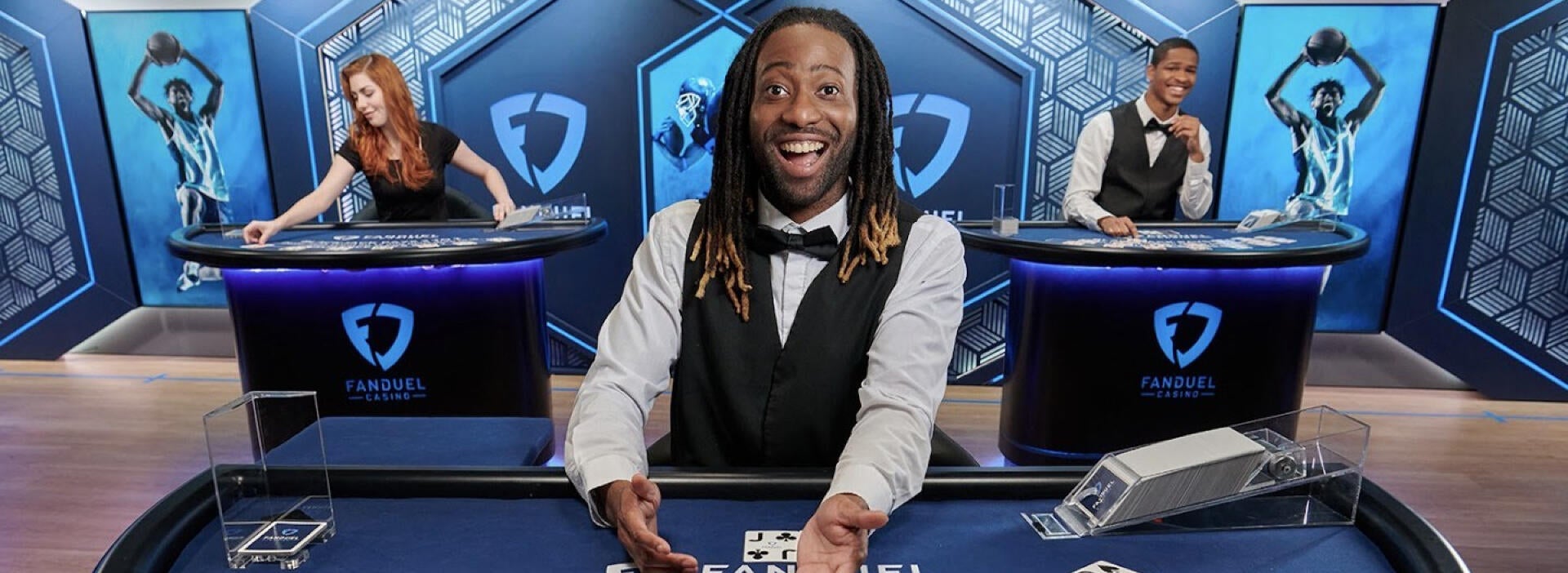
Bilder och spelupplevelse hos microgaming casino
Vanliga frågor om microgaming casino snabba uttag
Vilka spelutvecklare finns tillgängliga hos microgaming casino?
microgaming casino samarbetar med ett stort antal ledande spelutvecklare, inklusive kända slotstudior, live casino-leverantörer och plattformsleverantörer. Du hittar spel från både etablerade och nya utvecklare, alla med hög kvalitet och rättvisa.
Kan jag testa spelen gratis innan jag spelar med riktiga pengar?
Ja, de flesta spelen hos microgaming casino erbjuder ett demoläge där du kan testa spelen utan att satsa riktiga pengar. Detta är ett utmärkt sätt att bekanta dig med spelens funktioner och regler innan du sätter in pengar.
Är spelen hos microgaming casino rättvisa och licensierade?
Absolut. Alla spel hos microgaming casino kommer från licensierade och granskade spelutvecklare. Operatören innehar en giltig spellicens från Spelinspektionen, vilket säkerställer att spelen följer strikta regler för rättvisa och säkerhet.
Vilka är de mest populära spelen hos microgaming casino?
Bland de mest populära spelen hos microgaming casino finns ett brett urval av slots med hög volatilitet, klassiska bordsspel och live casino-varianter. Spelen från de mest kända utvecklarna är ofta mest efterfrågade, och nya släpp läggs kontinuerligt till.
Hur håller jag mig uppdaterad om nya spel och spelutvecklare hos microgaming casino?
Du kan enkelt hålla dig uppdaterad genom att besöka microgaming casinos hemsida regelbundet, där nya spel och utvecklare presenteras. Du kan även prenumerera på nyhetsbrev eller följa operatörens sociala kanaler för att få de senaste uppdateringarna.
snabb uttag casino 2026 — bästa insättningsmetoderna
casino kortspel regler 2026 — casino kortspel regler förklaring
Spelare som jämför microgaming casino bör alltid kontrollera licensen först.
microgaming casino och ansvarsfullt spelande 2026
Spela ansvarsfullt – microgaming casino vill påminna om att spel är endast för personer över 18 år. Verksamheten regleras av Spelinspektionen, och för den som vill stänga av sig från allt spel finns Spelpaus.se. Behöver du stöd eller rådgivning kan du kontakta Stödlinjen på 020-81 91 00. Sätt alltid upp gränser för tid och pengar innan du börjar spela, och se spelet som en underhållning – aldrig som ett sätt att vinna tillbaka förluster. Spela medvetet och ta pauser.
expekt poker — bankrullehantering | expekt casino
online jackpot 2026 — tävlingar och vinster
